Vesicant Exposure Resource and Coordination Core

Advancing mechanistic understanding and translational countermeasure development for vesicant-induced injury at Wake Forest University.

NIH

Supported by CCRP

ExRC

Resource Core

WFU

Host Institution

Supporting CCRP-Funded Research

The Wake Forest University Vesicant Exposure Resource and Coordination Core (ExRC), based out of the Wake Forest Institute for Regenerative Medicine (WFIRM) in the Wake Forest School of Medicine, provides NIH-subsidized core capabilities to support the Chemical Countermeasures Research Program (CCRP).

Our team partners with CCRP-funded investigators to advance mechanistic toxicology studies, translational injury models, and preclinical countermeasures development for highly hazardous chemical agents, including Schedule I chemical threats.

About Us

"Our mission is to advance mechanistic understanding and translational countermeasure development for vesicant-induced injury."

We integrate preclinical modeling, toxicology, and regulatory-aligned study design to support academic and government collaborators. Through coordinated scientific resources and expert guidance, we help accelerate discovery, strengthen rigor, and ensure that research programs are positioned for successful translation.

Research Services

Hazardous Chemical Research

Specialized research protocols and handling for highly hazardous agents and restricted chemical threats.

Targeted Organ-System Toxicology

In-depth toxicology studies focused on ocular, dermal, pulmonary, and neurological systems.

Preclinical Countermeasure Development

Rigorous development and evaluation of medical countermeasures to mitigate chemical-induced injury.

Human Organoid Platforms

Advanced development and exposure studies in mature lung, buccal, dermal, and brain organoid models.

PK and Analytical Modeling

Comprehensive pharmacokinetics and advanced analytical modeling to support translational research.

The ExRC is supported by the National Institutes of Health under award number U2CEY036984 and administered by the National Eye Institute (NEI), the National Institute of Allergy and Infectious Diseases (NIAID), and the NIH Office of the Director (OD).
About the Vesicant ExRC

Addressing the complexities of early-stage medical countermeasure development for hazardous chemical exposures.

The NIH Chemical Countermeasures Research Program (CCRP) is a component of the broader civilian biodefense research effort. Its mission is to integrate cutting-edge research with the latest technological advances in science and medicine to enhance national medical and public health preparedness for, response to, and recovery from disasters and public health chemical emergencies.

The Wake Forest University Vesicant Exposure Resource and Coordination Core (Vesicant ExRC) provides a state-of-the-art facility dedicated to accelerating the development of medical countermeasures for hazardous chemical injuries. Led by a multidisciplinary team of experts, the program offers investigators a comprehensive suite of advanced in vivo, ex vivo, and in vitro experimental models focused on ocular, dermal, and pulmonary tissues. By standardizing innovative analytical methods and fostering collaboration, the Vesicant ExRC streamlines the study of toxic mechanisms to enhance national chemical research and preparedness. See the 2025 Program Portfolio for current CCRP-supported projects.

Institutional Synergy

Embedded within a leading academic medical center, the Vesicant ExRC delivers rigorous toxicology and translational research for government and academic partners. We provide end-to-end support for studies involving Schedule I & II chemical agents, combining academic scientific depth with mission-focused execution to support the NIH civilian biodefense research effort.

We specifically support university research teams utilizing federal grant mechanisms to explore toxicological mechanisms and develop life-saving medical countermeasures. Through our unique partnership with the Wake Forest Institute for Regenerative Medicine, we provide access to high-fidelity organoid and animal models.

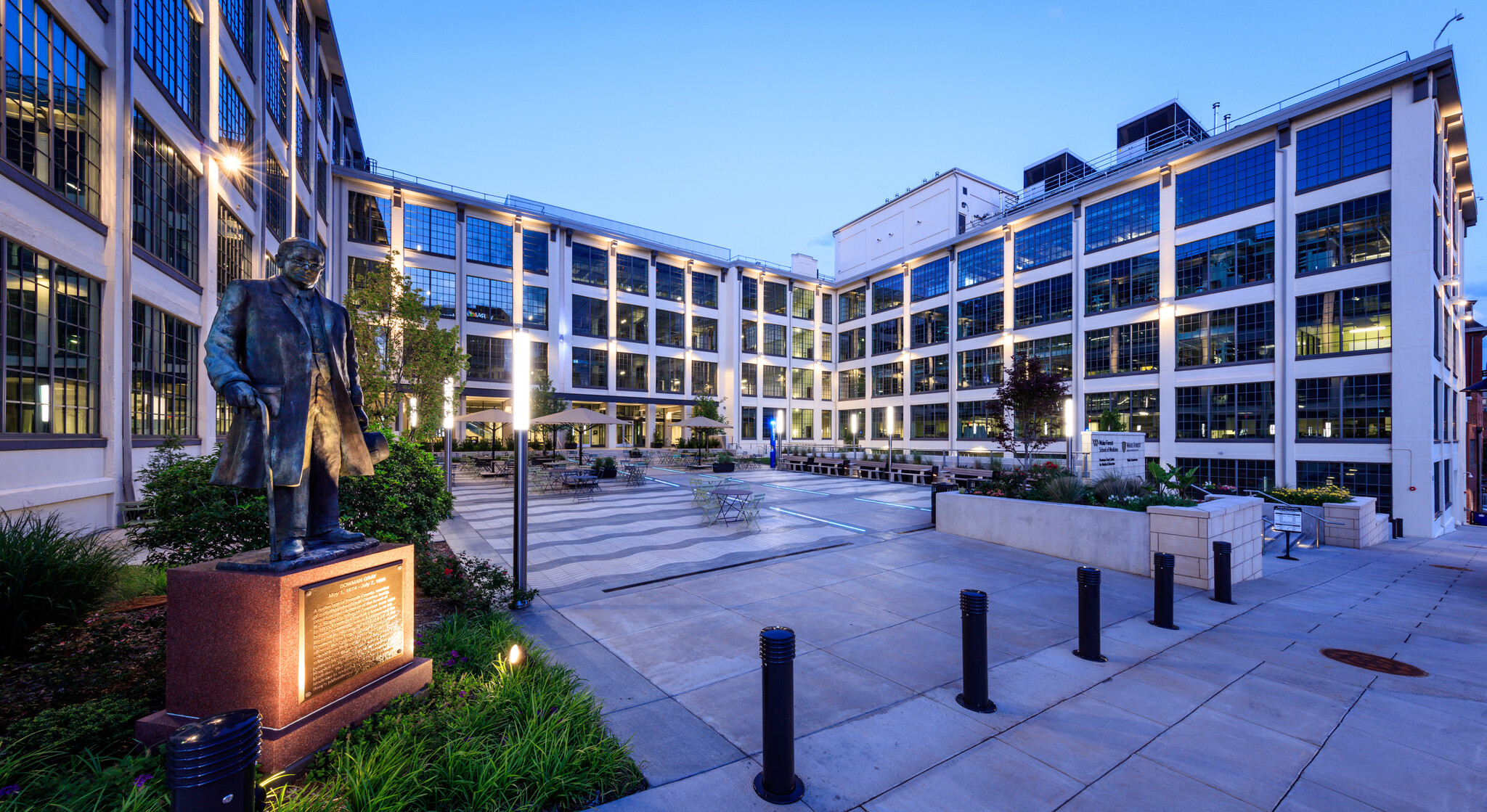
Wake Forest School of Medicine & Institute for Regenerative Medicine
Wake Forest Institute for Regenerative Medicine & School of Medicine Facilities

Challenges in MCM Development

Early-stage development of medical countermeasures (MCMs) for hazardous chemical injuries is complicated by several factors, including limited expertise and regulatory clearance in working with highly toxic and restricted chemicals, as well as a diverse array of experimental models of varying relevance.

We established the Wake Forest University Vesicant Exposure Resource and Coordination Core (Vesicant ExRC) to provide a comprehensive suite of experimental models, innovative analytical methods, and interactive study design protocols to support CCRP investigators.

The overall goal of the Vesicant ExRC is to take advantage of our established expertise studying vesicant injury in vivo and in vitro to develop a state-of-the-art facility that accelerates and enhances fundamental and translational studies.

Translational Impact

"The ability of the Vesicant ExRC to rapidly develop, standardize and disseminate proven methods for the study of highly toxic vesicants is anticipated to directly enhance the CCRP mission."

Why Partner With the WFU ExRC?

  • Academic, mission-aligned collaboration with NIH-funded investigators
  • Expertise in high-hazard toxicology studies
  • Integrated ex vivo and organoid platforms available for preclinical safety/efficacy studies in human tissues
  • Flexible study design to support CCRP-funded research programs
  • Direct transition to GLP-caliber studies available through our nonprofit partner, Coalesce Biosciences

Scientific Capabilities

A comprehensive suite of experimental models and innovative analytical methods designed to accelerate fundamental and translational studies.

Hazardous Agent Expertise

Specialized Access & Handling

  • Access to research-size stockpiles of Schedule I chemical warfare agents, including Sulfur Mustard, Nitrogen Mustard, and Lewisite.
  • Secure handling, synthesis, and storage within dedicated, high-containment facilities.
  • Full institutional and regulatory compliance for restricted agent research.

Investigative Proficiency

  • Extensive experience with in vivo, ex vivo, and in vitro dosing and injury characterization.
  • Dedicated focus on mechanistic studies to identify pathways of toxicity.
  • Capabilities for proof-of-concept and proof-of-efficacy countermeasure evaluations.

Experimental Models

Rodent Models

  • Acute exposure models
  • Chronic exposure protocols
  • Characterized injury kinetics

USDA Species

  • Rabbits
  • Guinea Pigs
  • Swine
  • Non-Human Primates (NHP)

Human Organoids

  • Translational relevance
  • Mature tissue surrogates
  • Mechanistic validation

Ex Vivo Models

  • Human Skin & Lung
  • Human Eye models
  • Rabbit Eye models

Experience With Multiple Exposure Routes

Pulmonary/Inhalational

Specialized inhalation exposure systems designed to characterize acute and chronic respiratory injury following exposure to hazardous vapors and aerosols.

  • Whole-body and nose-only exposure systems
  • Pulmonary function assessment
  • Upper and lower airway pathology

Ocular

Deep expertise in ocular toxicology with established models for corneal injury, healing kinetics, and long-term surface characterization.

  • High-resolution slit-lamp imaging
  • Ocular surface integrity assays
  • Corneal wound healing assessment

Dermal

Evaluation of percutaneous absorption, localized inflammation, and chronic skin damage following liquid or vapor contact.

  • Full-thickness skin surrogate testing
  • Histopathological characterization
  • Inflammatory mediator profiling

Laboratory and Facility Capabilities

Infrastructure & Space

  • 10,200 sq ft. of dedicated neat agent research space
  • 3,000 sq ft. of academic research laboratory space
  • Specialized USDA-species vivarium optimized for regulated research
  • Advanced chemical synthesis and secure storage infrastructure

Compliance & Approval

Our facility operates under rigorous oversight to ensure safety and scientific integrity for high-consequence research.

  • Full institutional approval and dedicated regulatory support
  • Specialized protocols for Schedule I agent studies
  • Continuous safety monitoring and facility management

Accelerating Discovery

The ability of the Vesicant ExRC to rapidly develop, standardize, and disseminate proven methods for the study of highly toxic vesicants is anticipated to directly enhance the CCRP mission.

"By accelerating fundamental studies into toxic mechanisms and improving early-stage MCM development, we provide investigators with a state-of-the-art facility tailored for restricted chemical research."

Program Leadership

Meet our dedicated multidisciplinary team of experts, working at the intersection of innovation and safety to advance the next generation of medical countermeasures.

Meet the Team

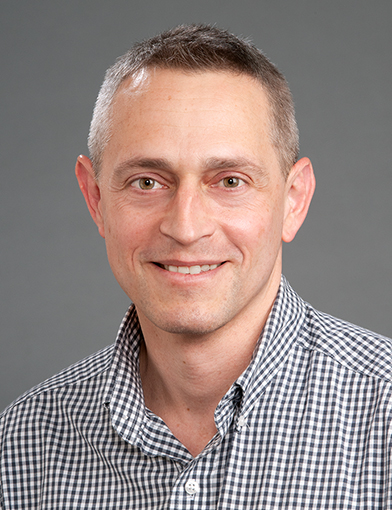
Patrick McNutt, PhD

Patrick McNutt, PhD

Director, Vesicant ExRC

Patrick earned undergraduate degrees in Biology and Chemistry before completing a PhD in Cellular and Molecular Biology at Princeton University. After graduate school, he served as an Army officer for eight years, including a tour in Iraq.

In 2010, he accepted a DoD Principal Investigator position where he built a large research program developing countermeasures for highly dangerous biological and chemical toxins affecting the central and peripheral nervous systems as well as the cornea of the eye.

In 2020, he returned to Wake Forest as an Associate Professor at the Institute for Regenerative Medicine (WFIRM), where he (1) conducts fundamental studies to understand toxic mechanisms of diverse poisons at scales ranging from individual receptors to multi-organ physiological responses; (2) develops comprehensive therapies that mitigate toxicity and promote regeneration; and (3) exploits WFIRM's unique capabilities to develop organoid models of complex diseases and toxic injuries.

View Google Scholar Profile
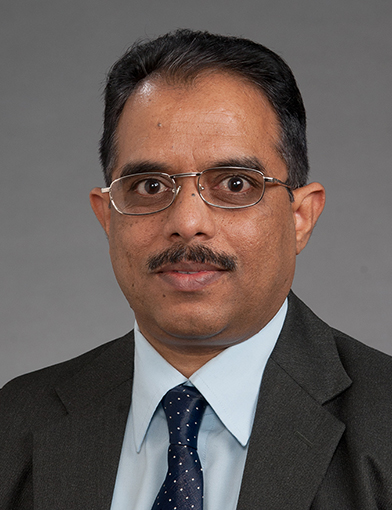
Ratnakar Tripathi, PhD

Ratnakar Tripathi, PhD

Scientific Program Manager

Dr. Ratnakar Tripathi is a Staff Scientist at the Wake Forest Institute for Regenerative Medicine. He earned his Ph.D. in Vision Science from Banaras Hindu University, Varanasi, India, and began his career at the LV Prasad Eye Institute, Hyderabad, India. He later pursued postdoctoral training and became an Assistant Research Professor at the University of Missouri, Columbia, USA. Dr. Tripathi currently serves as a Scientific Program Manager under the NIH U2C program, where he plays a pivotal role in advancing translational research on chemical threat agents. He is instrumental in the development and standardization of in vitro, ex vivo, and in vivo exposure procedures, ensuring methodological rigor and reproducibility across NIH CCRP-funded studies. Dr. Tripathi oversees sample collection protocols, data analysis pipelines, and quality assurance measures, while also providing technical assistance and specialized training to NIH CCRP-funded investigators and educational fellows. His leadership fosters consistency in experimental approaches and strengthens collaborative research efforts focused on vesicants identified in NIH CCRP-supported projects.

Sarfaraz Ahmad, PhD

Sarfaraz Ahmad, PhD

Senior Staff Scientist

Dr. Sarfaraz Ahmad holds a PhD in Biochemistry from the Indian Institute of Toxicology Research, Lucknow, and completed his post-doctoral training at the US Environmental Protection Agency (EPA) and Atrium Health - Wake Forest University School of Medicine. He has extensive research experience in both experimental animal models and human subjects, with a strong foundation in toxicology, biochemistry, cell biology, molecular biology, physiology, and pharmacology. His expertise spans a broad range of laboratory techniques, including cellular and molecular biology, biochemical analysis, and analytical biochemistry such as HPLC, LC-MS, affinity column chromatography, PCR, multi-well plate-based immunoassays, ELISA, radioimmunoassay (RIA), cell/tissue culture, as well as immunological and histopathological techniques. Additionally, his leadership and management skills have been crucial in successfully managing NIH and foundation-funded research projects, mentoring junior researchers, and developing compelling grant applications. He has already effectively contributed to the various research projects currently underway at the Wake Forest Institute for Regenerative Medicine.

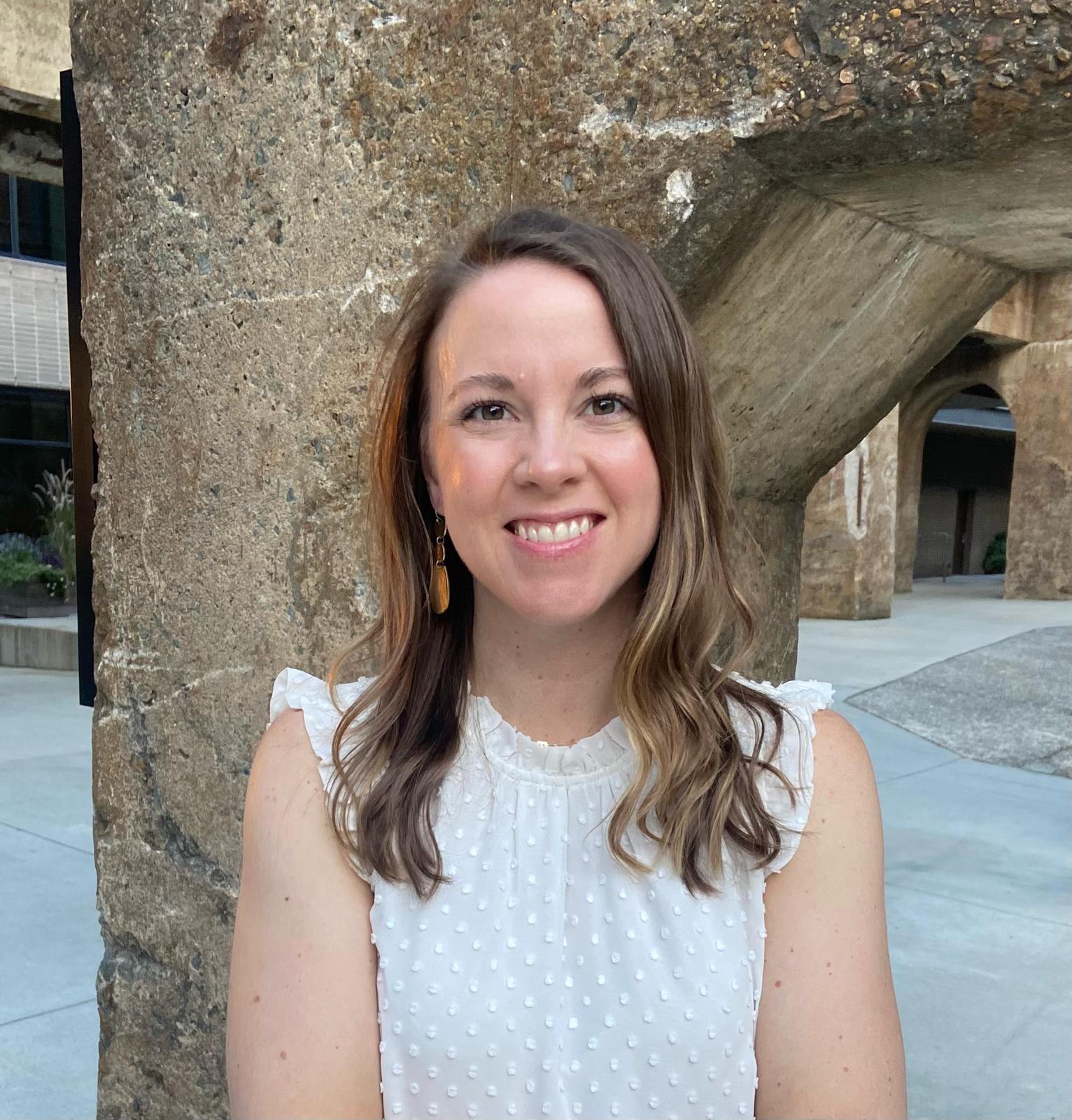
Katie Brigham, MS

Katie Brigham, MS

Administrative Program Manager

Katie serves as the Administrative Program Manager for the U2C Program and other CCRP-funded projects, providing essential operational leadership and administrative oversight for complex research initiatives. Working closely with scientific leadership, she ensures project milestones are met through rigorous resource management, regulatory compliance coordination, and streamlined communication across multidisciplinary teams. She currently holds a Master's Degree in Translational Biotechnology from the Wake Forest Institute for Regenerative Medicine (WFIRM) as well as undergraduate degrees in Biology and Chemistry from East Carolina University. She has over a decade of experience as a lab technician in clinical and academic institutions with a specialization in molecular oncology and pathology. Her scientific skills include cell culture, organoids, molecular assays, immunohistochemistry, and high-resolution imaging.

Camie Sousa

Camie Sousa

Lead Research Technician

Camie serves as the Lead Research Technician at the Wake Forest Institute of Regenerative Medicine, where she coordinates day-to-day animal husbandry and provides high-level technical support for critical research studies. When she is not in the lab, you can find her at the Veterinary Emergency Clinic helping sick or injured pets. With over a decade of expertise in ex vivo and in vivo animal models, Camie is fundamental in accelerating translational research by helping develop therapeutics and future treatment strategies.

Adrienne (AJ) Stone

Adrienne (AJ) Stone

Research Technician

AJ serves as a Research Technician at the Wake Forest Institute for Regenerative Medicine, bringing specialized technical support to the research team. Working across multiple investigative projects, AJ assists in the execution of complex protocols and ensures the integrity of animal care. AJ is committed to the precision and safety required for high-consequence agent research, contributing to the development of novel therapeutics and medical countermeasures. With a strong focus on technical excellence and decades of animal husbandry experience, AJ plays a key role in supporting the lab's mission to sustain the exposure resource core.

Aaron Doney

Aaron Doney

Research Technician

Aaron supports the mission of the ExRC as a Research Technician, assisting with laboratory maintenance, experimental execution, and data collection. He graduated from Brigham Young University – Idaho with a B.S. in Biology, with an emphasis in Neuroscience. Since 2022, Aaron has been a laboratory technician supporting multiple research projects at the Wake Forest School of Medicine and WFIRM. He takes pride in the diverse opportunities and techniques he has mastered and enjoys teaching new methodologies to his peers. Working under the guidance of lead investigators, Aaron ensures the smooth operation of specialized research protocols involving chemical and biological threat agents. He is dedicated to upholding the highest safety standards while contributing to the development of life-saving medical countermeasures.

Steven Cayea

Steven Cayea

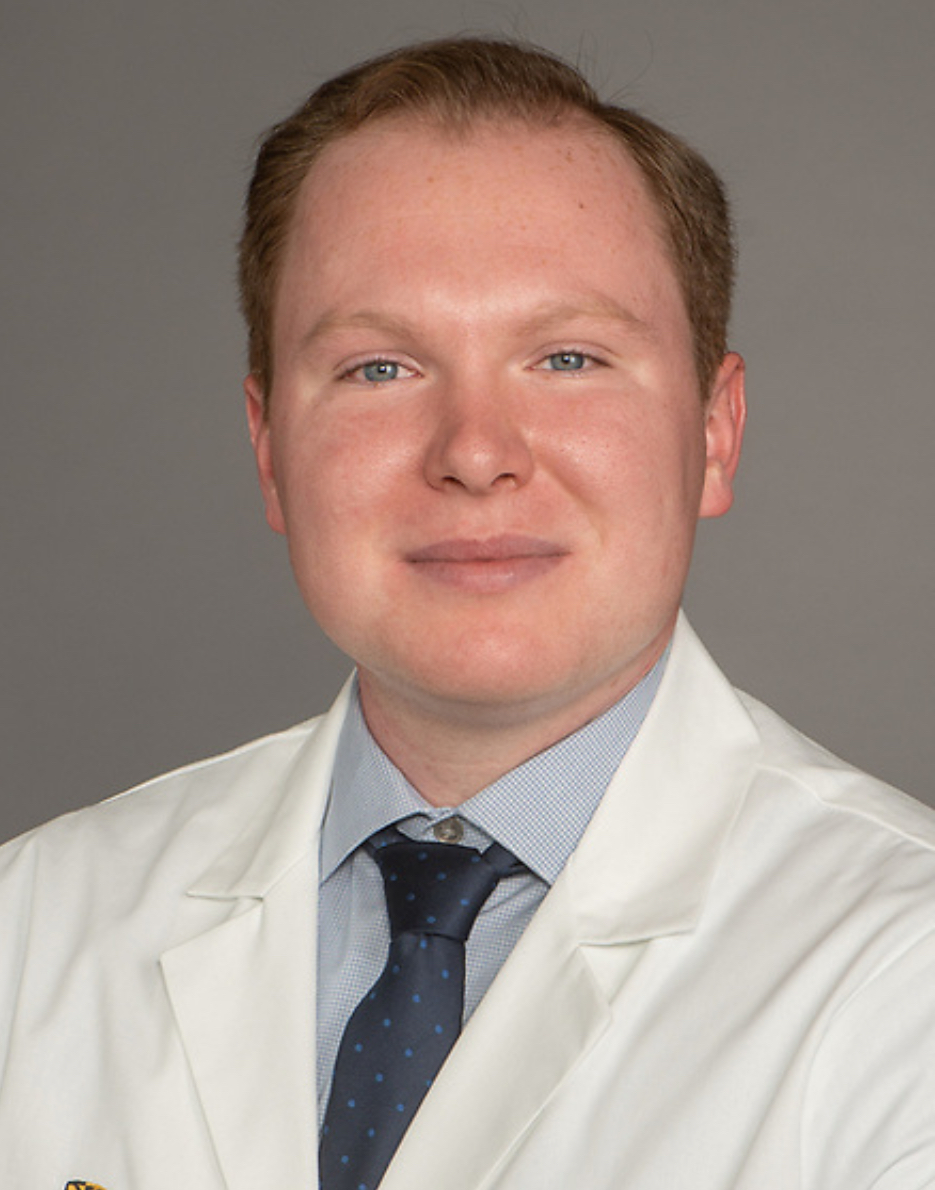
Medical Student

Steven Cayea is a first-year medical student at Wake Forest University School of Medicine. He has been working with the corneal toxicity project for almost two years, supporting clinical evaluations, managing USDA animals, and assisting other team members. While he was an undergraduate at Wake Forest University, besides his work in the McNutt Lab, Steven also completed research with Dr. Susan Fahrbach studying honey bee neuroethology and other work with Dr. Rebecca Alexander on the kinetics and function of an aminoacyl-tRNA synthetase.

Partner With Us

Connecting NIH CCRP-funded investigators with specialized scientific resources and expert guidance.

Contact Information

Location

Wake Forest Institute for Regenerative Medicine

Winston-Salem, NC 27157

NIH CCRP Support

The Vesicant ExRC is a NIH-subsidized core established specifically to support the Chemical Countermeasures Research Program.

Start an Inquiry

Submitting this form notifies the ExRC leadership of your interest in collaboration.

Empower Your Research

Are you a CCRP-supported lab working on chemical countermeasures? Let us help you accelerate your program's success.